Everything you need to eliminate stress from your next move. Affordable moving, packing, and unpacking on residential, commercial, local, and long-distance moves.
Move 4 Less is locally owned and has a long-standing reputation of trust within our Las Vegas community with a 97% referral rate! We always strive to deliver an experience that makes our customers want to smile!
Move 4 Less, LLC is a professional Las Vegas moving company that offers residential, commercial, long-distance and storage services. Move 4 Less is licensed and insured and is proud to be a Las Vegas moving company that is included in the American Moving and Storage Association and acknowledged by the Las Vegas Chamber of Commerce.
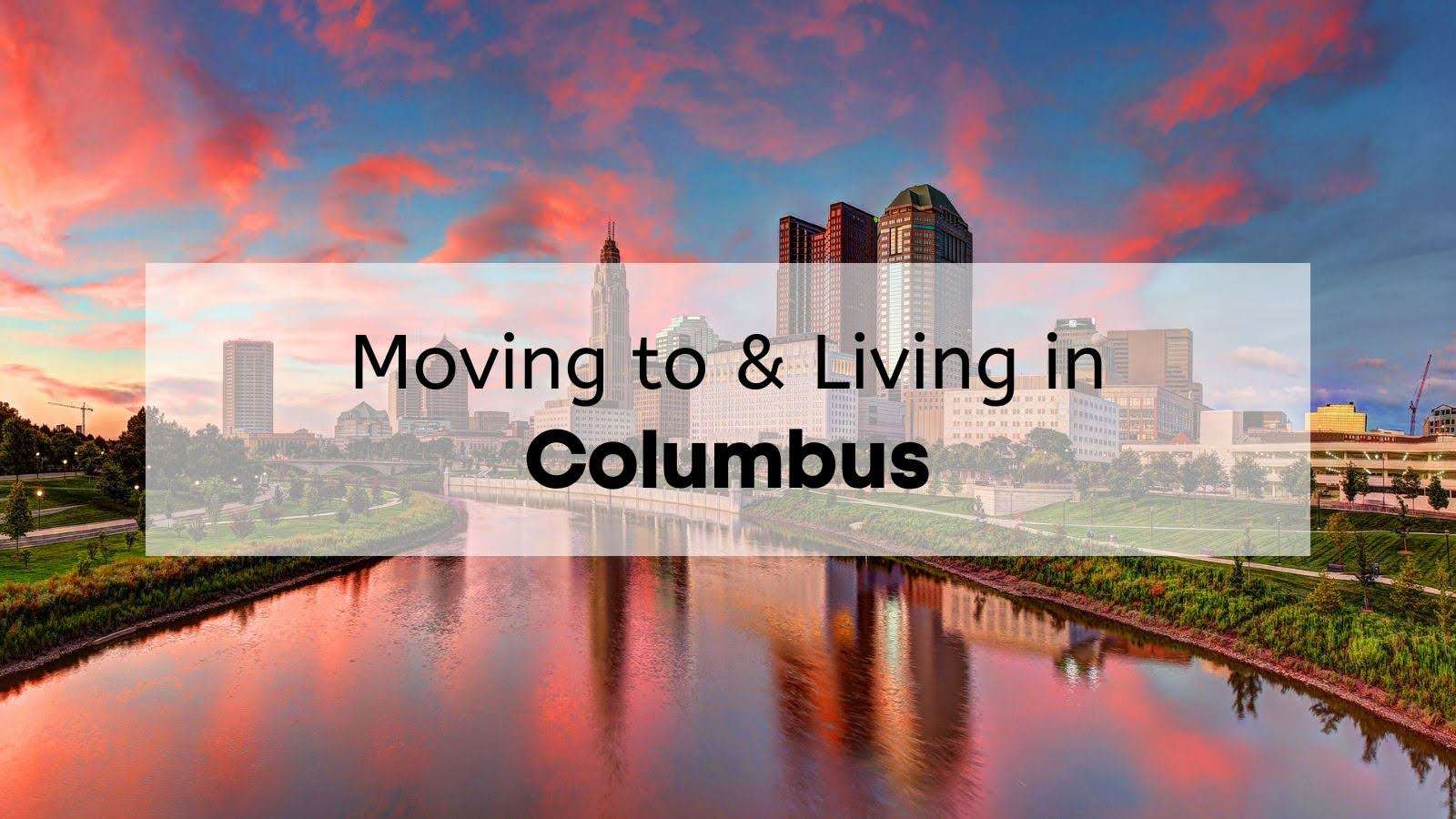
Ohio’s capital is a great place to live, offering welcoming neighborhoods, career opportunities, and plenty to explore, from the Scioto Mile to the Short North Arts District. This vibrant city is famous for Ohio State University, its passionate Buckeyes fans, and its diverse food scene.
Founded in 1812 and incorporated in 1816, Columbus was named after Christopher Columbus. The best-known Columbus nickname is “Arch City,” inspired by the arches that once illuminated downtown streets. Today, it is a major city where history, culture, and college traditions meet modern growth.
Today, Columbus Ohio has a growing job market, welcoming neighborhoods, and relatively affordable cost of living. Living in Columbus also provides access to a diverse array of restaurants, parks, cultural attractions, and entertainment options. Other aspects that appeal to residents include respected schools, major employers, and a strong sense of community.
Ready to relocate? Contact the trusted Columbus movers at Move 4 Less at (380) 271-2444.
Columbus is primarily in Franklin County in central Ohio, although parts of the city limits extend into Delaware and Fairfield counties. The city sits along the Scioto and Olentangy rivers and anchors the Columbus metropolitan area. It borders communities including Dublin, Worthington, Westerville, Gahanna, Bexley, Whitehall, Upper Arlington, Hilliard, and Grove City.
Columbus is about 106 miles from Cincinnati, 175 miles from Indianapolis, and roughly 190 miles from the Michigan border. Its central location makes it easy to explore destinations throughout Ohio and other parts of the Midwest. Living in Columbus also provides convenient access to several major highways, including I-70, I-71, I-270, and U.S. Route 33.
Columbus Information
Columbus county: Franklin, Delaware & Fairfield
Columbus area: 226.26 square miles
Columbus Ohio zip code: 43004-43291
Columbus area code: 614, 380
Columbus elevation: 791 feet
Columbus time zone: Eastern Time Zone (EST), UTC -5 and -4
The official 2020 census counted 905,748 residents, up from 787,033 in 2010. That represents growth of approximately 15.1% over the decade. More recent estimates place the population at around 931,551. Columbus has approximately 4,100 residents per square mile and is Ohio’s largest city by population. The 2020 Columbus metropolitan area population was 2,138,926, making it the state’s second-largest metro area.
The city is also becoming increasingly diverse. Columbus OH demographics include a population that is approximately 59% White, including 49% non-Hispanic White, 27% Black or African American, 7% Asian, and 7% identifying with two or more races. Approximately 15.3% of residents were born outside the United States.
Notable people born in Columbus include Olympic gymnast Simone Biles, celebrity chef Guy Fieri, and author R.L. Stine. Living in Columbus places residents near a growing mix of communities throughout the city and surrounding cities near Columbus.
Additional Columbus Demographics:
Sex ratio: 51% female, 49% male
Median age: 33.5
Median household income: $67,084 (compared to Ohio average of $72,212)
Educational attainment: 90.1% high school degree (or higher), 38.7% bachelor’s degree (or higher)
Transportation
Living in Columbus means relying primarily on a car, although buses, bike paths, and rideshare services provide additional options. While rush-hour traffic can slow travel around downtown and the outer belt, congestion is generally manageable compared to many larger metropolitan areas.
Major routes include:
I-70, which runs east to west through the city
I-71, connecting Columbus with Cleveland and Cincinnati
I-270, the outer belt surrounding the metro area
U.S. Routes 23, 33, and 40
Public transportation is provided by the Central Ohio Transit Authority, which operates bus routes throughout Columbus and surrounding communities. The city does not currently have passenger rail, a subway, or a light-rail system.
For air travel, John Glenn Columbus International Airport (CMH) is approximately seven miles east of downtown. Its convenient location is another benefit for anyone moving to Columbus Ohio.
The Columbus cost of living index is 91.4, meaning expenses are approximately 8.6% lower than the national average. This lower cost makes the city relatively affordable compared with many other major metropolitan areas.
According to the Economic Policy Institute, a family of four needs approximately $111,600 annually to live comfortably in the area. The MIT Living Wage Calculator estimates that two working adults with two children must each earn $28.37 per hour.
The average cost of utilities in Columbus Ohio varies by home size, usage, and included services. Housing near the city center may also cost more.
Ohio has a 5.75% state sales tax, while the combined rate in Franklin County is generally 7.5%. Columbus also levies a 2.5% municipal income tax. Property tax bills vary by neighborhood and taxing district. Overall, the average cost of living in Columbus Ohio remains a major benefit of living in Columbus.
Columbus Real Estate - Average Rent & Home Prices
The Columbus real estate market offers a range of properties, from downtown apartments and historic homes to newer suburban developments. According to Redfin, the median sale price for Columbus OH homes for sale is $303,835.
This is considerably lower than the national median of $436,523 and represents a 6.2% increase from the previous year. Homes spend an average of 39 days on the market. Buyers researching the average home price in Columbus Ohio should expect costs to vary based on property type, condition, and location.
Renting is another popular housing option for people moving to Columbus Ohio. According to RentCafe, the average rent in Columbus Ohio is $1,366 per month.
The most affordable neighborhoods include:
Millbrook: $930 per month
Woodland Park: $937 per month
Franklin Park: $947 per month
The most expensive neighborhoods include:
Short North: $1,873 per month
Greenbriar Farm: $1,886 per month
Indianola Terrace: $2,886 per month
Residents can find options for different budgets and desired levels of neighborhood quality, making living in Columbus appealing to renters and buyers alike.
Best Neighborhoods in Columbus Ohio - Best Places to Live in Columbus Ohio
Unsure of where to live in Columbus Ohio? The best Columbus neighborhoods include historic districts, walkable entertainment areas, and peaceful residential communities. People researching the safest neighborhoods in Columbus Ohio should compare current crime maps and statistics, as conditions can vary by street.
German Village - Historic Architecture and Walkable Streets
German Village is known for brick streets, beautifully restored 19th-century homes, and landmarks such as Schiller Park. Residents can browse independent bookstores and specialty shops or dine at neighborhood favorites. Homes often command premium prices because of the area’s historic character and central location. The German Village Society organizes preservation projects and neighborhood programming.
Clintonville - Relaxed Community Popular With Families
Clintonville is one of the top neighborhoods for families and professionals seeking tree-lined streets near downtown. Housing includes early-20th-century houses, Cape Cods, and bungalows at varying price points. The neighborhood offers easy access to the Olentangy Trail, Whetstone Park, and the Park of Roses, creating a relaxed life close to nature.
Short North is among the best areas to live in Columbus OH for people who value walkability and activity. The district features apartments, condominiums, restaurants, art galleries, and regular cultural events. Housing costs are generally higher here than in quieter neighborhoods.
Upper Arlington offers spacious homes, parks, respected schools, and convenient access to Scioto Country Club. It appeals to those who want suburban comfort near central Columbus.
Whether you are considering living in Columbus OH or researching living in Columbus Ohio, options extend beyond these communities. Older adults can also explore 55+ communities in Columbus.
Columbus Weather & Climate
The Columbus climate is humid continental under the Köppen classification, with some characteristics of a humid subtropical climate. Residents experience four distinct seasons, including warm, humid summers and cold winters. Although the city can experience snow, ice, thunderstorms, and occasional tornado warnings, it is not generally known for extremely harsh winters.
Average temperature in Columbus Ohio: Highs range from approximately 37°F in January to 85°F in July.
Does it snow in Columbus Ohio? Yes. Snow typically falls between November and March.
Columbus Ohio annual snowfall: Approximately 28 inches
Average annual rainfall: Approximately 42 inches
Late spring and early fall are often considered the best times to visit because temperatures are comfortable and seasonal scenery is especially appealing. Anyone considering living in Columbus should prepare for rapidly changing conditions, particularly during spring and winter.
The city is known for German cuisine, Columbus-style pizza, and chocolate-peanut butter buckeyes. The diverse selection of Columbus restaurants is another perk of living in Columbus, with choices ranging from historic dining rooms to intimate jazz lounges.
These are some of the best places to eat in Columbus OH for memorable local experiences.
Things to Do in Columbus Ohio
From interactive science exhibits to scenic riverfront trails, the city offers activities for every age and interest. The many reasons to move to Columbus include year-round festivals, professional sports, and impressive cultural attractions. Whether you are planning a weekend or considering living in Columbus, you will never struggle to decide what to do in Columbus.
North Market Downtown: Sample international cuisine, baked goods, fresh produce, and local specialties from independent merchants inside this historic public market.
Ohio Statehouse: Tour Ohio’s Greek Revival capitol building, view historic exhibits, and walk through the landscaped grounds in downtown Columbus.
Ohio Stadium: Experience Buckeyes football and the famous marching band inside “The Horseshoe,” one of the country’s most recognizable stadiums.
LEGOLAND Discovery Center Columbus: Enjoy LEGO rides, creative building stations, a 4D cinema, and miniature Columbus landmarks during a family outing.
These popular Columbus OH attractions include some of the best things to do in Columbus and memorable things to do in Columbus Ohio with kids.
Columbus Entertainment and Arts
Ohio Theatre: Attend Broadway productions, concerts, ballet performances, and classic films inside an opulent 1928 theater near the Statehouse.
Shadowbox Live: Spend a night watching original comedy, music, dance, and theatrical performances presented by a resident ensemble.
Newport Music Hall: Catch touring musicians at this intimate concert venue across from the Ohio State University campus on High Street.
ScottsMiracle-Gro Field: Cheer for the Columbus Crew while enjoying Major League Soccer action in the lively Arena District.
Live performances and sporting events are among the most fun things to do in Columbus.
Columbus Museums
Columbus Museum of Art: View American and European artwork, rotating exhibitions, and family-friendly creative spaces in the Discovery District.
National Veterans Memorial and Museum: Discover personal stories from veterans representing every military branch and era through immersive exhibits and recorded interviews.
Ohio History Center: Explore Ohio’s natural, Indigenous, industrial, and cultural history, then visit the recreated 19th-century Ohio Village.
Wexner Center for the Arts: Experience contemporary exhibitions, independent films, dance, theater, and experimental performances on the Ohio State campus.
The variety of museums adds educational value to living in Columbus Ohio and creates excellent Columbus OH family activities.
Living in Columbus gives fans access to professional teams and one of the country’s most celebrated college athletic programs. While Columbus does not have NFL, NBA, or MLB teams, residents can attend exciting sports games throughout the year.
College sports are also central to the city’s identity. The Ohio State Buckeyes compete in the Big Ten Conference, with football games at Ohio Stadium drawing enormous crowds. Residents can also enjoy recreational soccer, golf, pickleball, cycling, and ice skating throughout the metro area.
Columbus Ohio Crime Rate
Columbus reports 3,934 crimes per 100,000 residents, including 450 violent crimes and 3,484 property crimes per 100,000 people. The overall rate is 89.5% above Ohio’s rate and 69.3% above the national average. The violent crime rate is 21.7% above the U.S. rate, while property crime is 78.3% higher. The homicide rate is approximately 12.2 per 100,000 residents.
Crime is not distributed evenly, so safety conditions can differ significantly between neighborhoods. Encouragingly, recent FBI data showed Columbus had the lowest violent crime rate among Ohio’s major cities.
Is Columbus Ohio a Good Place to Live Despite These Statistics?
Many residents believe so, particularly when choosing a neighborhood carefully. The Columbus Division of Police employs more than 1,800 officers across 20 precincts to serve people living in Columbus.
Economy & Jobs in Columbus Ohio
Columbus has one of the largest and most diverse economies in Ohio. The metro area generated approximately $182.1 billion in GDP in 2023, supported by government, education, healthcare, finance, insurance, logistics, manufacturing, retail, and technology. This economic diversity helps protect the region from relying too heavily on a single industry.
According to Payscale, the average salary in Columbus is approximately $79,000. The Bureau of Labor Statistics reports that the metro’s average hourly wage was $32.34 in May 2025. However, the average income in Columbus Ohio varies considerably by occupation, education, and experience.
The city’s stable employers and expanding industries are compelling reasons to consider living in Columbus. People comparing Columbus jobs can also research employee reviews, benefits, advancement opportunities, and workplace culture to identify the best places to work in Columbus OH for their goals.
Access to respected health care providers is another advantage of living in Columbus. Major hospital systems offer primary care, emergency treatment, surgery, and specialized services throughout the metropolitan area.
Families living in Columbus have access to numerous public schools, private institutions, and higher education options. The primary Columbus OH school district is Columbus City Schools, Ohio’s largest school district. It offers career-technical training, arts programs, language immersion, gifted education, and specialized learning opportunities.
The district operates dozens of elementary schools in Columbus OH, along with middle and high schools. Notable Columbus high schools include Columbus Alternative High School, Fort Hayes Arts and Academic High School, and Columbus North International School. Families comparing the best high schools in Columbus Ohio can also consider Metro Early College High School, a STEM-focused public school developed with support from Ohio State University. Other high schools in Columbus OH offer programs in areas such as health sciences, business, engineering, and the arts.
Depending on their address, students may also attend suburban districts such as Dublin, Hilliard, Worthington, Westerville, or South-Western City Schools. Families comparing the best school districts in Columbus Ohio should review district boundaries carefully, as a Columbus mailing address does not always indicate enrollment in Columbus City Schools.
Options for private schools in Columbus OH include Columbus School for Girls, The Wellington School, and Bishop Watterson High School. Families can also compare suburban districts when researching the best school districts in Columbus Ohio.
Higher education options include The Ohio State University, Columbus State Community College, and Columbus College of Art & Design. The Columbus Metropolitan Library further supports the community with tutoring, technology, and family programs.
Columbus Utilities & DMV Change of Address
Before living in Columbus, arrange utility service for your new address and update your driving records. Your exact providers may depend on the property’s location.
Water and sewer: Columbus Water & Power. Property owners can call (614) 645-8276 to establish service and schedule a meter reading.
Natural gas: Columbia Gas of Ohio. Customers can start, stop, or transfer service online.
Current Ohio residents can update their residential and mailing addresses through Ohio BMV Online Services. New residents must transfer their out-of-state driver’s license, vehicle title, and registration within 30 days of establishing residency. Bring your current license and documents proving your identity, Social Security number, legal presence, and Ohio address to a deputy registrar location.
Living in Columbus FAQs
Is Columbus Ohio a Good Place to Live?
Yes, Columbus is a good place to live for people seeking a growing job market, relatively affordable housing, diverse neighborhoods, and abundant entertainment. Living in Columbus provides access to respected universities, major employers, parks, professional sports, and a lively restaurant scene, although residents should consider traffic, weather, and neighborhood crime rates.
What Is Columbus Known For?
Columbus is known as Ohio’s state capital and the home of Ohio State University. The city is also famous for Buckeyes football, the Columbus Zoo and Aquarium, COSI, its Short North Arts District, and historic German Village. Major industries include government, education, healthcare, finance, insurance, technology, and logistics.
How Many People Live in Columbus Ohio?
The 2020 U.S. census counted 905,748 people in Columbus, making it the largest city in Ohio by population. More recent estimates place the city’s population at approximately 931,551. The broader Columbus metropolitan area had 2,138,926 residents in 2020 and continues to rank among the Midwest’s largest growing metropolitan regions.
Where Do Young Professionals Live in Columbus Ohio?
Popular neighborhoods for young professionals include the Short North, Downtown Columbus, Italian Village, German Village, and Grandview Heights. These communities provide convenient access to employment centers, restaurants, nightlife, fitness studios, and community events. Clintonville is another appealing option for residents seeking more space and a quieter atmosphere near downtown.
Does Columbus Have Harsh Winters?
Columbus experiences cold winters, but conditions are generally less severe than in cities closer to Lake Erie. January highs average around 37°F, and the city receives approximately 28 inches of snow annually. Residents should still prepare for freezing temperatures, icy roads, winter storms, and rapidly changing weather between November and March.
Get in Touch for a Free Quote from Move 4 Less Moving
Ready to make living in Columbus a reality? The experienced Columbus movers at Move 4 Less can help make your relocation organized, efficient, and less stressful. Our team can assist with packing, transportation, loading, and other services tailored to your needs.
Before moving to Columbus Ohio, explore our guide to Columbus moving costs to begin planning your budget. Call Move 4 Less today at (380) 271-2444 or complete our convenient online form to request a free moving estimate.
Moti Perez
As a cofounder and business owner of Move 4 Less, my passion is to deliver the highest quality of moving services in the industry. My varied background has thought me the value of seeking new challenges, working hard, keeping customers happy and focus on success.
In 2002, I got my first taste in the moving industry, working for Nationwide Moving&Storage. For a little over two years I worked in a number of frontline and management positions, learning the ins and outs of the moving industry.
The business is now one of the largest moving companies in the Las Vegas metropolitan area.
I also had some time in between to open, manage and sell few restaurants and retail business. I continue to invest in Realestate and any other interesting business opportunity.